



Trump Democratic Congress power struggle


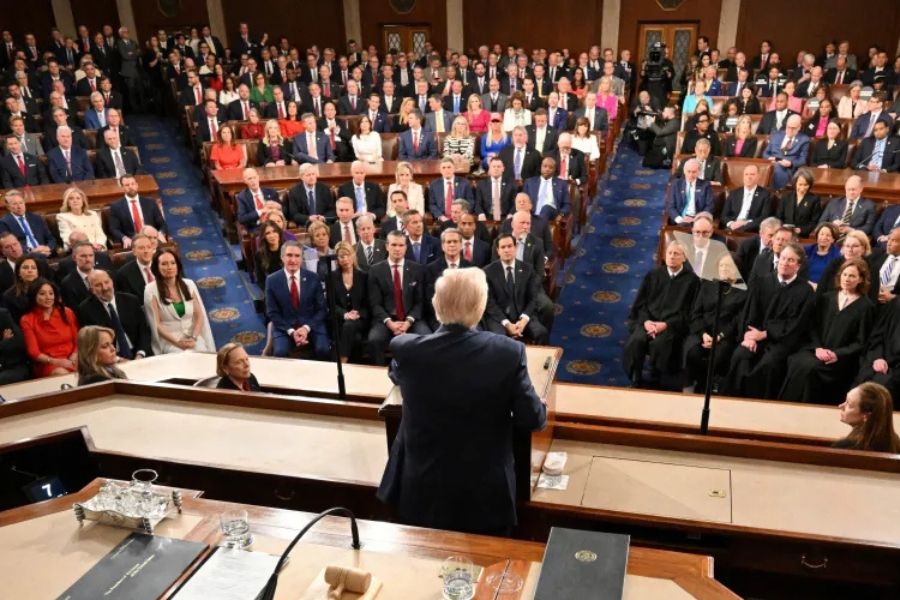
A Democratic-controlled House of Representatives and Senate could produce a volatile contest over presidential power rather than the conventional legislative gridlock expected under President Donald Trump, according to an analysis by a Republican political strategist. The assessment identifies foreign policy and military action as likely areas of particular tension between the administration and Congress.

The analysis describes Trump as a transactional populist who does not follow traditional conservative policy or the conventional boundaries of divided government. On that basis, it says he could pursue separate agreements with Democrats on infrastructure spending, protectionist trade policy and government intervention to protect domestic manufacturing. Infrastructure legislation could direct millions of dollars to congressional districts.
At the same time, the author argues that Trump could seek to bypass Congress through executive orders, emergency declarations and expansive interpretations of federal statutes. Such steps could intensify disputes over the limits of presidential authority.
Iran is presented as the most immediate foreign-policy flashpoint. The analysis predicts a constitutional conflict over the War Powers Resolution of 1973, including possible congressional efforts to restrict or defund military action against Tehran.
The dispute could also involve broader questions about the president’s authority to conduct foreign policy and Congress’s power to limit military operations. The analysis points to the federal courts as a possible arena for those disagreements.
Democratic committee chairs are expected, according to the analysis, to issue subpoenas and investigate Trump’s cabinet and foreign-policy decisions. It also says the House would almost certainly draft articles of impeachment.
Removal from office, however, requires a two-thirds majority in the Senate. The analysis therefore considers actual removal unlikely even if impeachment proceedings move forward. Its conclusion is that institutional boundaries would be severely tested, while the US constitutional system would ultimately hold.








© Copyright 2026, cloudTV. All Rights Reserved