


Gianni Infantino


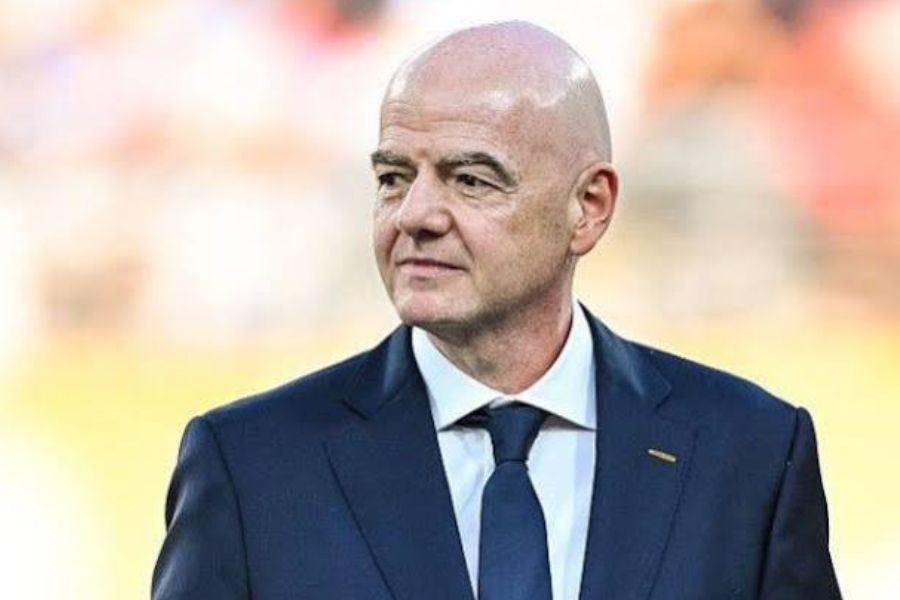
FIFA President Gianni Infantino has suffered another major political setback after England’s Football Association decided to withdraw its support for his bid to secure another term as FIFA president. The move comes shortly after Wales announced a similar decision, reflecting growing dissatisfaction with FIFA’s leadership following the collapse of a controversial World Cup investment proposal.

The controversy began after FIFA proposed creating a new commercial entity that would oversee major competitions, including the FIFA World Cup. Under the proposal, around 20 percent of the new entity would be sold to private investors in a deal expected to generate more than $4 billion.
However, the plan faced intense criticism from UEFA, several national football associations and other stakeholders, who questioned both the governance process and the lack of transparency surrounding the proposal. Facing mounting pressure, FIFA eventually abandoned the plan.
Wales became the first football association to officially withdraw its backing for Infantino’s re-election campaign. England is now expected to follow with the same decision, according to multiple reports.
The Football Association’s move represents a significant blow because England remains one of football’s most influential nations. Reports also indicate that several other European football federations have expressed concerns over FIFA’s governance, communication, and decision-making process.
UEFA has reportedly taken an even stronger stance by considering legal action related to the failed commercial proposal, highlighting the seriousness of the dispute between European football authorities and FIFA.
Gianni Infantino, who has served as FIFA president since 2016, is expected to seek another term at the FIFA Congress scheduled for March 2027 in Morocco.
Although he continues to enjoy support from many FIFA member associations, the growing opposition from influential European football bodies has complicated his re-election prospects. Political observers believe the latest developments could encourage more national associations to reconsider their positions before the election.
The controversy has also reignited broader discussions about governance, financial transparency, and stakeholder engagement within world football. Whether the current opposition develops into a coordinated challenge remains uncertain, but the pressure on FIFA’s leadership has undoubtedly intensified.
The coming months are expected to be crucial as football’s governing bodies continue discussions over reforms and leadership ahead of the next presidential election.






© Copyright 2026, cloudTV. All Rights Reserved