



Partition Horrors Remembrance Day


An appeal has been made for August 14 to be observed as ‘Partition Day’ across universities in West Bengal to remember the human cost of the Partition of India.

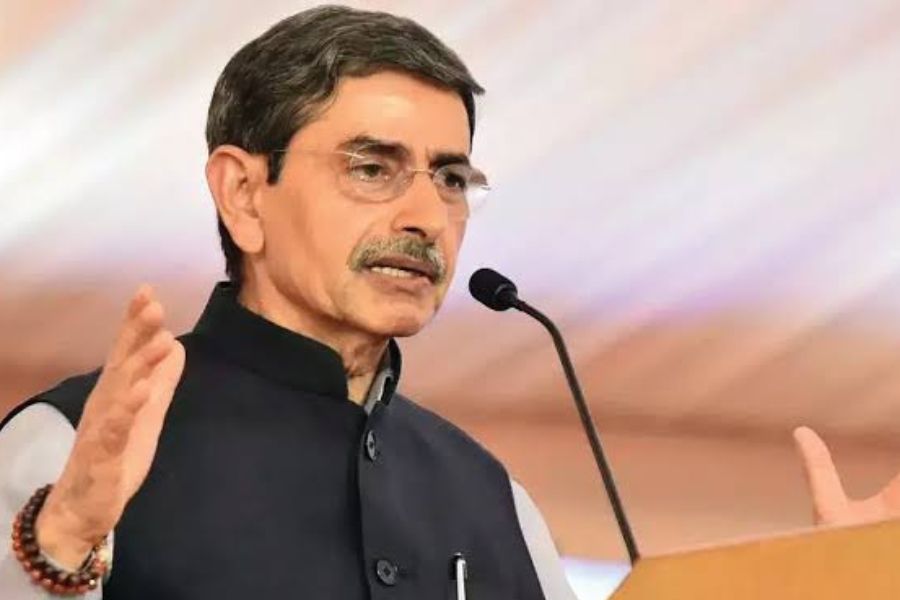
According to a notification issued by Lok Bhavan, the Governor and ex-officio Chancellor of the state universities, R N Ravi, has called upon universities to observe the day.
The appeal also extends to colleges functioning under both government and private universities.
The initiative seeks to ensure that younger generations remain aware of the violence, displacement and social disruption associated with the Partition of 1947.
August 14 is observed nationally as Partition Horrors Remembrance Day, following the Union government’s decision in 2021 to remember those who suffered and lost their lives during Partition.
The Lok Bhavan notification reportedly places particular emphasis on undivided Bengal.
Partition resulted in large-scale displacement across the region, with millions of people forced to leave their homes and rebuild their lives elsewhere.
The impact was not limited to displacement.
The division also had long-term social, cultural and economic consequences for Bengal. Families were separated, communities were disrupted and large numbers of refugees had to establish new lives in unfamiliar surroundings.
The notification stresses the importance of making younger generations aware of this chapter of Indian history.
It also calls for awareness about the forces that seek to create divisions within society.
Universities could therefore use the occasion to organise seminars, discussions, exhibitions and other educational programmes focusing on Partition and its consequences.
The initiative is significant for Bengal because the state’s history remains deeply connected with the events surrounding the division of British India.
The proposed observance is not restricted to university campuses.
Colleges affiliated with or operating under the universities have also been encouraged to organise programmes.
Students could be introduced to different aspects of Partition, including the political developments leading to 1947, the division of Bengal, refugee migration and the social consequences that followed.
India became independent on August 15, 1947, while Pakistan emerged as a separate dominion on August 14.
The provinces of Bengal and Punjab were divided as part of the Partition process.
The human consequences were immense. Large-scale migration, communal violence, loss of property and separation of families became defining features of the period.
For educational institutions, the proposed programme could provide an opportunity to examine these events through historical and social perspectives.
At the same time, the decision could generate political debate because Partition remains a sensitive subject in Bengal’s public discourse.
The proposed Partition remembrance programme comes ahead of Independence Day celebrations in the state.
The West Bengal government is also preparing for a ‘Har Ghar Tiranga’ programme.
A special march is scheduled to be held on August 10, with Chief Minister Shubhendu Adhikari expected to participate, according to the information provided.
Around 10,000 students could take part in the programme.
The planning is reportedly being overseen by Bikash Bhavan, while Kolkata University has been given a key role in coordinating participation with colleges.
Students are expected to assemble near All India Radio in the morning. The march is planned to begin after 1 pm and proceed towards the Victoria Memorial.
The two initiatives place different aspects of the Independence Day period in focus.
One seeks to remember the trauma and human consequences of Partition. The other promotes participation in a national flag campaign ahead of Independence Day.
For Bengal’s universities and colleges, August 14 could therefore become an important day for historical discussions and educational activities.
The focus will now be on how individual institutions respond to the appeal and what programmes they organise.
The broader objective is to ensure that the history of Partition is not reduced to dates and political decisions alone.
Its impact was felt in the lives of millions of ordinary people, particularly those who lost homes, communities and livelihoods.
Remembering those experiences remains an important part of understanding the history of independent India and the social history of Bengal.








© Copyright 2026, cloudTV. All Rights Reserved