


Durgapur new wards


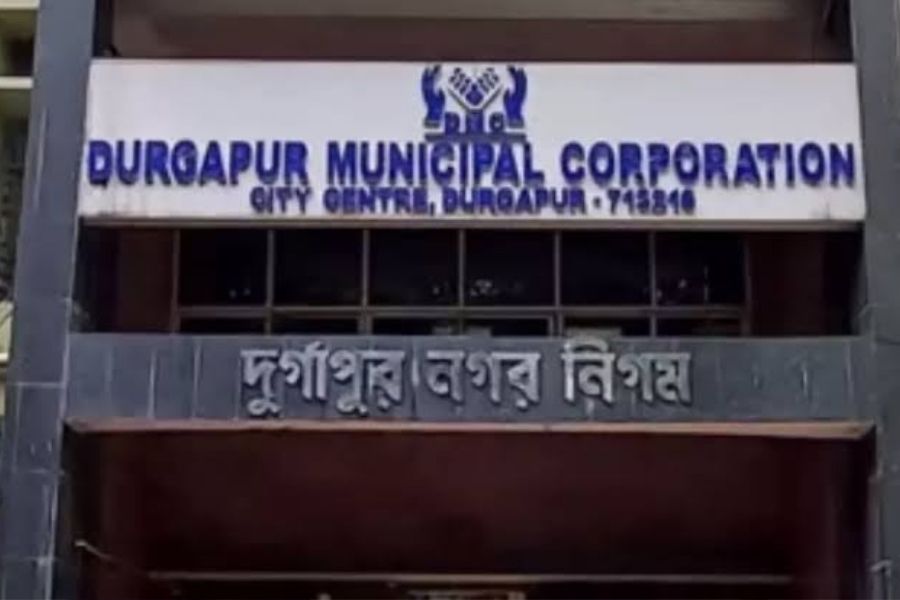
After Kolkata and Howrah, the number of wards in Durgapur Municipal Corporation is also set to increase. According to a notification issued by the state Urban Development and Municipal Affairs Department, the number of wards in Durgapur will rise from 43 to 53.

That means 10 new wards will be added to the municipal corporation.
The state Urban Development and Municipal Affairs Department issued the notification on August 31. The government notification has proposed 53 wards for Durgapur. It stated that factors including population, population density, geographical conditions, historical significance and economic considerations were taken into account while determining the number of wards.
Durgapur Municipal Corporation currently has 43 wards. Once the new arrangement is implemented, the number will increase to 53, marking a significant change in the civic administration of the industrial city.
Copies of the government notification have reportedly been sent to the State Election Commission, the District Magistrate of Paschim Bardhaman, the Commissioner of Durgapur Municipal Corporation and officials of the concerned departments.
The same notification has also fixed the number of wards in Siliguri Municipal Corporation at 63.
The decision to increase the number of wards in Durgapur has assumed significance amid wider discussions over ward restructuring in several urban local bodies across West Bengal.
The move comes against the backdrop of a prolonged gap since the last civic elections in Durgapur and complaints regarding civic services. There has also been political discussion about holding municipal elections after Durga Puja.
As a result, the new ward structure could have administrative as well as political implications ahead of the next civic polls.
Durgapur East MLA Chandrashekhar Banerjee had earlier indicated that the Durgapur Municipal Corporation would be expanded and its administrative structure reorganised.
According to the MLA, residents have been deprived of adequate civic services because elections have not been held for several years. He argued that creating additional wards could make administration more decentralised and enable authorities to deliver services to residents more quickly.
The ward expansion is therefore being presented not merely as an administrative restructuring exercise, but also as a possible step towards improving civic service delivery.
However, important questions remain over how the boundaries of the new wards will be drawn and how the revised structure could affect local political equations ahead of the municipal elections.
The full impact will become clearer once the ward boundaries and subsequent administrative arrangements are formally implemented.








© Copyright 2026, cloudTV. All Rights Reserved