


West Bengal Anti-Goonda Law


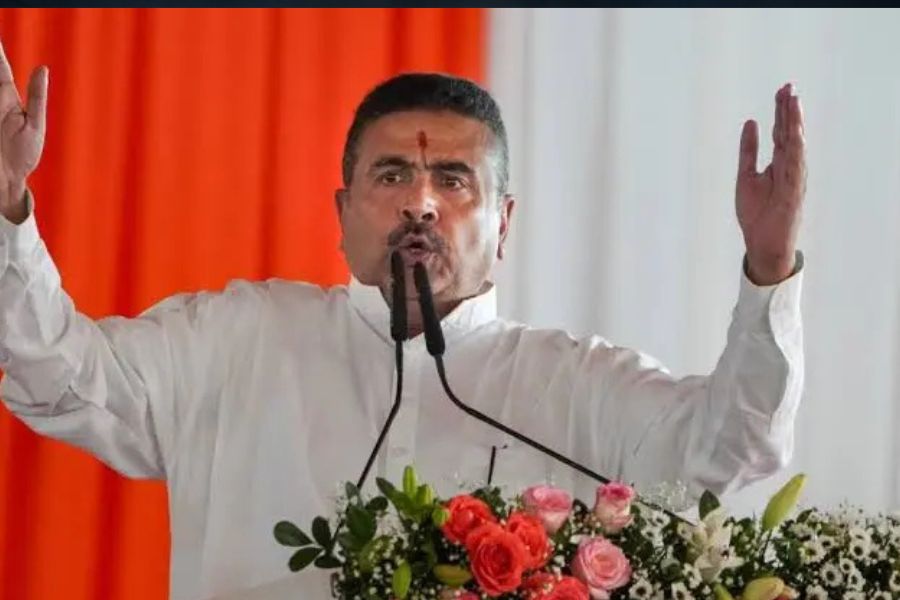
West Bengal Chief Minister Suvendu Adhikari has reiterated his government’s tough position against anti-social activities, vandalism and attacks on police personnel. Speaking to reporters, the chief minister said those responsible for damaging government property would not be spared and that compensation would be recovered from those responsible for the losses.

The state government’s new legal framework was introduced through two Bills passed by the West Bengal Assembly in June 2026: the West Bengal Public Safety and Control of Anti-Social Activities Bill, 2026 and the West Bengal Maintenance of Public Order (Amendment) Bill, 2026. The measures were presented as tools to strengthen action against anti-social activities, organised crime and violence.
However, there is an important legal-status issue surrounding the anti-goonda legislation. In July, reports said Governor R.N. Ravi had given assent and that the two measures would come into force from July 13. Subsequently, during a hearing on August 6, the state informed the Calcutta High Court that the anti-goonda Bill was still awaiting Presidential assent. The court dismissed petitions challenging the legislation as premature.
One of the key features of the public-order legislation is a mechanism to recover compensation for damage caused to public and private property during incidents of arson, vandalism or violence. The amended public-order framework provides for a Claims Commission to adjudicate compensation claims relating to property damage.
The government has argued that existing laws were not sufficient to recover the cost of damage from people involved in violent incidents. The new framework is intended to make those responsible financially accountable for losses caused during disorder.
The proposed anti-social activities legislation also expands the state’s preventive powers. The Bill provides for preventive detention of persons considered to be involved in, or likely to engage in, anti-social activities, with detention potentially extending up to 12 months under the specified provisions.
The government has also emphasised that attacks on police personnel and violence carried out in the name of protests will face strong action. The legislation was presented in the Assembly as part of a broader strategy to maintain public safety, peace and order.
The Public Safety Bill was passed by the Assembly on June 29, with 176 members voting in favour and 41 against, according to Akashvani’s report. The government said the legislation was aimed at preventing anti-social activities and strengthening the ability of the administration to deal with serious public-order threats.
The chief minister has maintained that the provisions are aimed at anti-social elements and would not be used arbitrarily. The legislation also contains provisions dealing with preventive detention, externment and property-related action.
The most important development after the July announcement came from the Calcutta High Court in August. During the hearing of petitions challenging the legislation, the state reportedly informed the court that Presidential assent was still awaited. The court consequently treated the challenge as premature because the Bill had not yet completed the constitutional process required for it to become law.
This has created a significant distinction between the political announcement of implementation and the legal status of the legislation. While the West Bengal government has publicly projected the Bills as a major anti-crime measure, the question of final assent and formal implementation remains central to determining when and how the provisions can legally be enforced.
The government’s stated position is clear: vandalism, attacks on police and serious anti-social activity will face a tougher response. The next major legal milestone will therefore be the completion of the assent and notification process and any subsequent judicial scrutiny of the legislation.








© Copyright 2026, cloudTV. All Rights Reserved