


Who Runs Iran Today


Cloud TV Desk: Iran is often viewed as a country where ultimate authority rests with a single leader. However, the reality is far more complex. As the country faces geopolitical tensions and leadership changes, discussions have intensified over who truly runs Iran today.

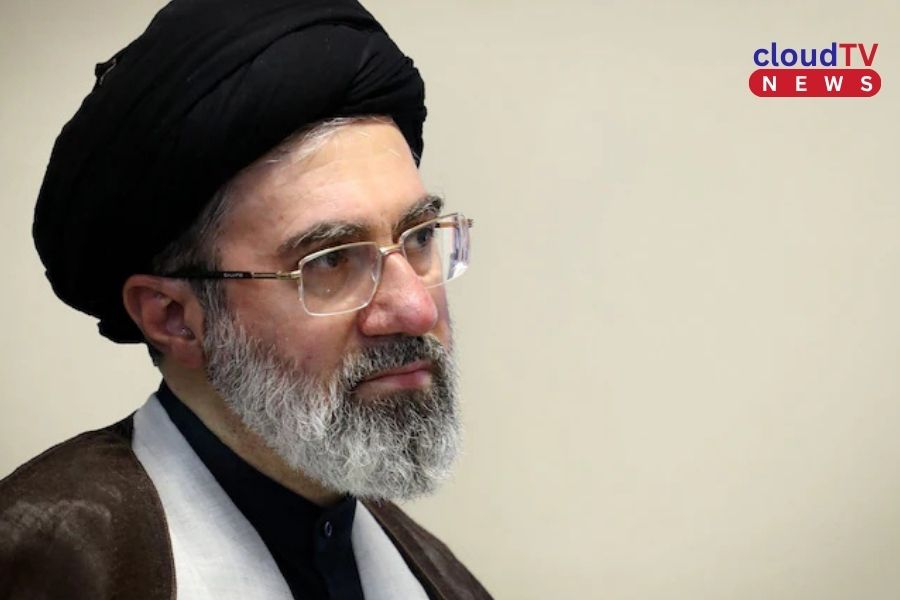
Although Supreme Leader Mojtaba Khamenei occupies the highest political and religious office in the country, analysts say that Iran’s governance structure relies on multiple institutions and influential figures rather than one person alone.
Following the death of Ayatollah Ali Khamenei earlier this year, Iran’s Assembly of Experts appointed Mojtaba Khamenei as the country’s new Supreme Leader. The move attracted international attention because Mojtaba had long been considered a powerful but low-profile figure operating behind the scenes. His close relationship with Iran’s security establishment and influence within elite circles had already made him a significant political player.
However, holding the title of Supreme Leader does not automatically mean exercising absolute day-to-day control over every aspect of the state. Experts suggest that Iran’s power system functions through an interconnected network of political institutions, military structures, religious bodies, and security agencies.
One of the most powerful institutions in the country remains the Islamic Revolutionary Guard Corps (IRGC). Over the years, the IRGC has expanded beyond military duties and now plays a major role in security, intelligence, foreign policy, and even economic affairs. Reports indicate that the organization has become increasingly influential in strategic decision-making, especially during periods of conflict and instability.
Several senior political and security figures are also believed to hold substantial influence within Iran’s system. These include President Masoud Pezeshkian, Parliament Speaker Mohammad Baqer Qalibaf, Foreign Minister Abbas Araqchi, and senior IRGC officials. While their roles differ, together they contribute to the country’s broader policy direction.
Political analysts argue that today’s Iran should be understood as a layered system of power rather than a conventional state centered around one individual. Religious authority, military influence, political institutions, and strategic networks collectively shape national decisions.
As tensions in the Middle East continue and Iran navigates internal and external challenges, understanding who truly holds power in Tehran has become more important than ever. The answer, many experts say, is not a single person — but an entire structure operating behind the scenes.






© Copyright 2026, cloudTV. All Rights Reserved