



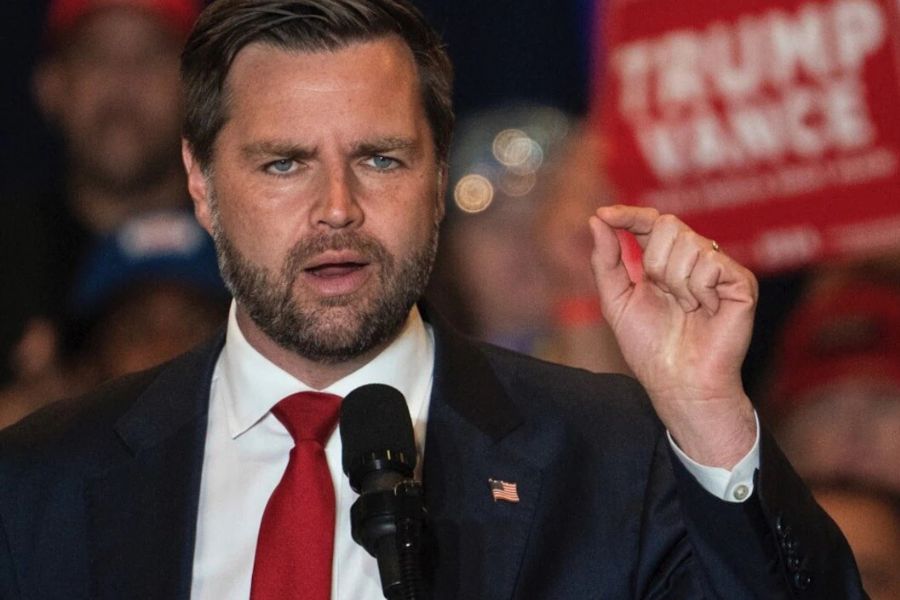
JD Vance Pakistan Iran Agreement


Cloud TV Desk: U.S. Vice President JD Vance has sparked diplomatic controversy by blaming Pakistan for the delay in releasing the full text of the recently announced U.S.-Iran peace agreement. His remarks came during a podcast interview in which he discussed the timeline and challenges surrounding the publication of the agreement.

According to Vance, the United States had originally planned to release the agreement on June 15. However, the document was ultimately made public two days later due to coordination issues involving countries connected to the negotiation process. Vance specifically referred to concerns regarding press freedom in Pakistan and other partner nations.
The Vice President contrasted the American constitutional protections for a free press with systems in countries where media independence is more limited. He argued that these differences complicated efforts to publicly disclose the agreement at the desired time.
The agreement itself is part of a broader framework intended to reduce tensions between Washington and Tehran following months of conflict. The memorandum of understanding includes provisions related to ending hostilities, reopening the Strait of Hormuz, and initiating further negotiations on Iran’s nuclear program and regional security concerns.
Despite the announcement, significant questions remain unanswered. Lawmakers from both major U.S. political parties have demanded greater transparency regarding the agreement’s contents, implementation mechanisms, sanctions policy, and verification procedures. Critics argue that the framework lacks sufficient detail on key security issues.
Vance’s comments have also drawn attention because Pakistan has played a role in previous rounds of U.S.-Iran diplomacy. Islamabad has frequently been mentioned as a venue for backchannel talks and diplomatic engagement between the two sides.
Foreign policy analysts suggest that publicly criticizing Pakistan could create additional friction at a sensitive moment in regional diplomacy. With negotiations on the final terms of the agreement still ongoing, attention is likely to remain focused on both the substance of the deal and the political controversies surrounding its release.







© Copyright 2026, cloudTV. All Rights Reserved