


PoK Protest


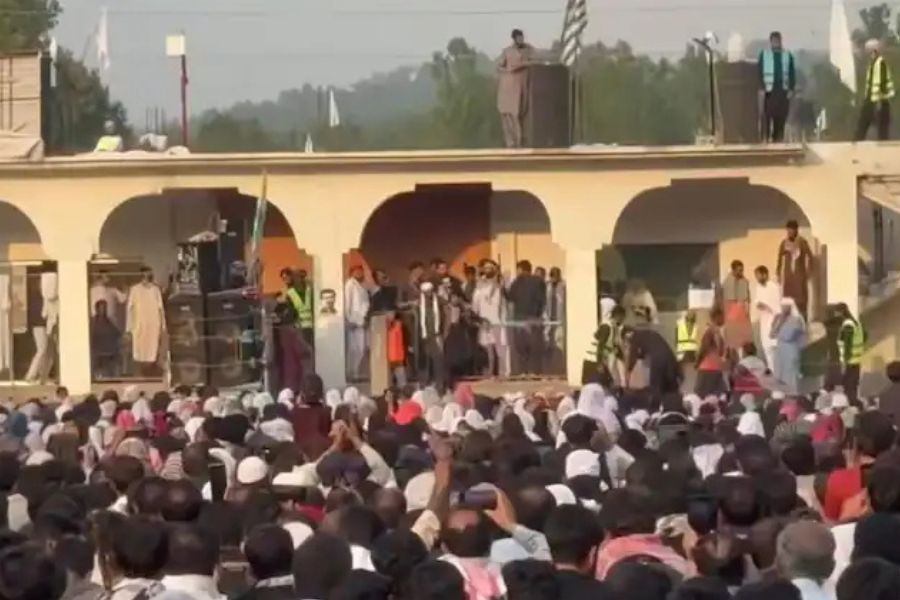
Cloud TV Desk: Thousands of protesters gathered in Rawalakot, Pakistan-occupied Kashmir (PoK), as anti-Islamabad demonstrations entered their 22nd consecutive day. Addressing a large gathering at Eidgah Ground, protest leaders declared that the region should not be considered part of Pakistan and warned that, if their demands continue to be ignored, they may seek stronger engagement with India.

The ongoing movement has been driven by widespread public dissatisfaction over governance, inflation, unemployment, administrative neglect, and alleged human rights violations. Protesters also claim that internet services have remained suspended since June 5, while restrictions on food supplies and essential goods have further worsened the humanitarian situation.
Civil rights activist Sardar Aman Khan, one of the prominent faces of the movement, alleged that Pakistan-occupied Kashmir has never been an integral part of Pakistan and accused Islamabad of exploiting the region without safeguarding the rights of its residents. He warned that if the blockade on essential supplies continues, the people may be compelled to seek assistance from India, a move that could significantly alter the political dynamics of the region.
The protests are being spearheaded by the Awami Action Committee (AAC), which has submitted a 38-point charter of demands to the Pakistani authorities. The movement has spread beyond Rawalakot to several towns and villages, with women, students, traders, and civil society groups actively participating. Protest leaders have vowed to continue their campaign until their political and administrative demands are addressed.
The demonstrations follow weeks of unrest across PoK, during which clashes between protesters and security forces have reportedly resulted in casualties, arrests, and allegations of excessive use of force. Earlier protests were linked to issues including political representation, inflation, electricity shortages, internet blackouts, and governance concerns.
The latest developments have once again drawn international attention to Pakistan-occupied Kashmir. While India maintains that the entire former princely state of Jammu and Kashmir, including PoK, is an integral part of India, Pakistan continues to administer the territory. The recent wave of protests reflects growing public unrest over governance and economic conditions, although the political claims made by protest leaders remain contested and have not been independently verified.






© Copyright 2026, cloudTV. All Rights Reserved