


Pakistan Power Crisis


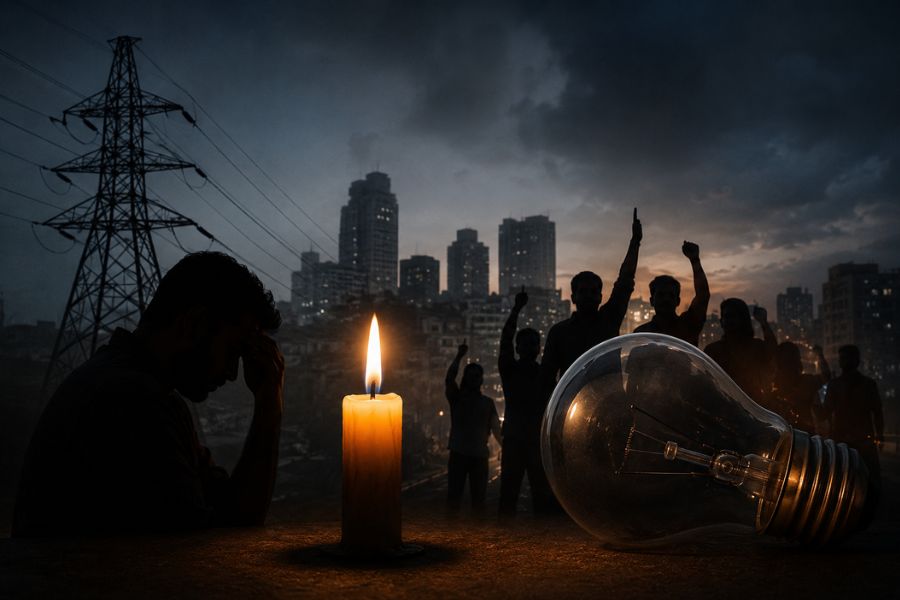
Pakistan is facing a severe power crisis, with prolonged electricity outages reported across major cities including Karachi, Islamabad and Rawalpindi. In some areas, residents have complained of power cuts lasting up to 12 hours, causing major disruption to daily life.

The worsening situation has also triggered public protests, particularly in Karachi, where residents blocked roads for hours to protest prolonged load shedding. The demonstrations caused significant traffic congestion on major roads and highways.
Karachi appears to be among the worst-affected cities. Residents in several neighbourhoods have complained that electricity remains unavailable for extended periods, even beyond scheduled load-shedding hours.
Residents have also linked the electricity crisis to problems with water supply. When power remains unavailable, pumping stations are unable to operate normally, disrupting water distribution. One resident of Garibabad said that people who regularly pay their electricity bills are still being forced to endure long outages.
The protests reflect growing frustration among residents who say that prolonged blackouts have disrupted homes, businesses and essential services.
K-Electric, the company responsible for electricity distribution in Karachi, has attributed part of the problem to electricity theft and unpaid bills. The company has reportedly undertaken campaigns and enforcement efforts to control power theft, but the problem remains a significant challenge.
Pakistan’s electricity generation sector also depends heavily on gas and imported liquefied natural gas, or LNG. Fuel supply problems can therefore directly affect electricity generation and reduce the amount of power available for distribution.
Technical problems are another factor. Faults in transmission and distribution networks, damaged lines and transformer failures can cause unexpected outages even after scheduled load-shedding has ended.
The crisis becomes particularly severe during the summer months when electricity demand rises sharply. Increased use of air conditioners, fans and other electrical appliances places additional pressure on the power grid, especially during peak demand periods.
When the system cannot handle the increased demand, electricity supply may have to be reduced in some areas. The combination of inadequate generation, network faults, electricity theft and poor bill recovery can make load shedding even more severe in affected neighbourhoods.
For ordinary Pakistanis, the prolonged outages are creating problems far beyond the loss of electricity. Water supply, transportation, businesses and household activities are being affected. In Karachi, public anger has already spilled onto the streets, with demonstrations and road blockades adding to the disruption caused by the power crisis.







© Copyright 2026, cloudTV. All Rights Reserved