



World Cup Coaches Salaries


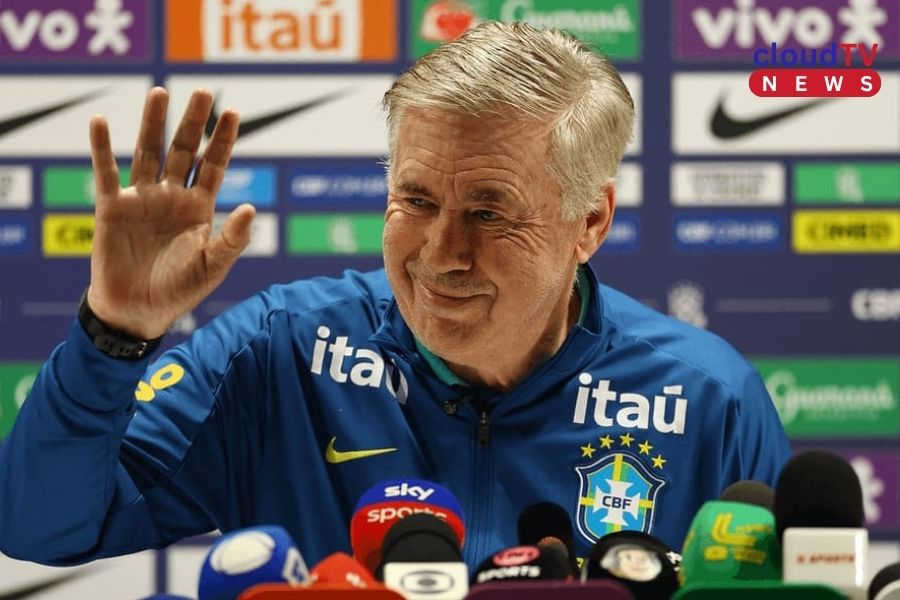
Cloud TV Sports Desk: Brazil head coach Carlo Ancelotti is the highest-paid national team manager in world football, according to an updated salary ranking published ahead of the FIFA World Cup.

The list, released by Italian sports daily La Gazzetta dello Sport, places the Brazilian national team’s coach comfortably at the top of the earnings chart among managers participating in the tournament.
Ancelotti was appointed by the Brazilian Football Confederation (CBF) in May 2025 and has since signed a contract extension that will keep him in charge of the Seleção until the 2030 FIFA World Cup. Under the terms of his current agreement, the legendary Italian manager earns €9.5 million per year, making him the highest-paid national team coach in the world.
The salary gap between Ancelotti and the rest of the field is substantial. England manager Thomas Tuchel occupies second place with an annual salary of €5.9 million. The difference between the top two managers stands at approximately €3.6 million per year.
Germany head coach Julian Nagelsmann ranks third on the list with an annual income of €4.9 million. Former Italy captain Fabio Cannavaro, currently in charge of Uzbekistan, shares fourth place with Portugal manager Roberto Martínez. Both coaches reportedly earn €4 million annually.
The ranking highlights the growing financial investment made by football federations in elite coaching talent. National teams are increasingly turning to experienced and proven managers in their pursuit of international success.
One of the most notable names lower down the list is Argentina coach Lionel Scaloni. Despite guiding Argentina to World Cup glory and establishing himself as one of the most respected international managers, Scaloni ranks only tenth among World Cup coaches in terms of salary.
The Argentine tactician reportedly earns around €2.3 million per year—less than a quarter of Ancelotti’s salary. While Scaloni’s earnings may appear modest compared to some of his peers, his achievements on the pitch have arguably exceeded those of many higher-paid managers.
The rankings also underline the financial strength of football’s traditional powerhouses. Countries such as Brazil, England, Germany, Portugal, France, and Argentina continue to invest heavily in their coaching structures as they seek success at the highest level.
For Brazil, the decision to appoint Ancelotti represented one of the most ambitious moves in the federation’s history. The former Real Madrid boss arrived with an unparalleled résumé, having won league titles in Europe’s top leagues and multiple UEFA Champions League trophies.
As the World Cup progresses, attention will not only focus on the players but also on the tactical masterminds on the sidelines. And when it comes to financial rewards, no coach stands above Carlo Ancelotti.







© Copyright 2026, cloudTV. All Rights Reserved