


Instagram Algorithm


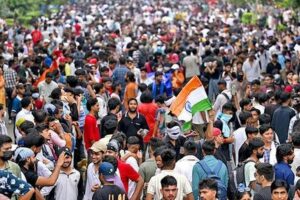
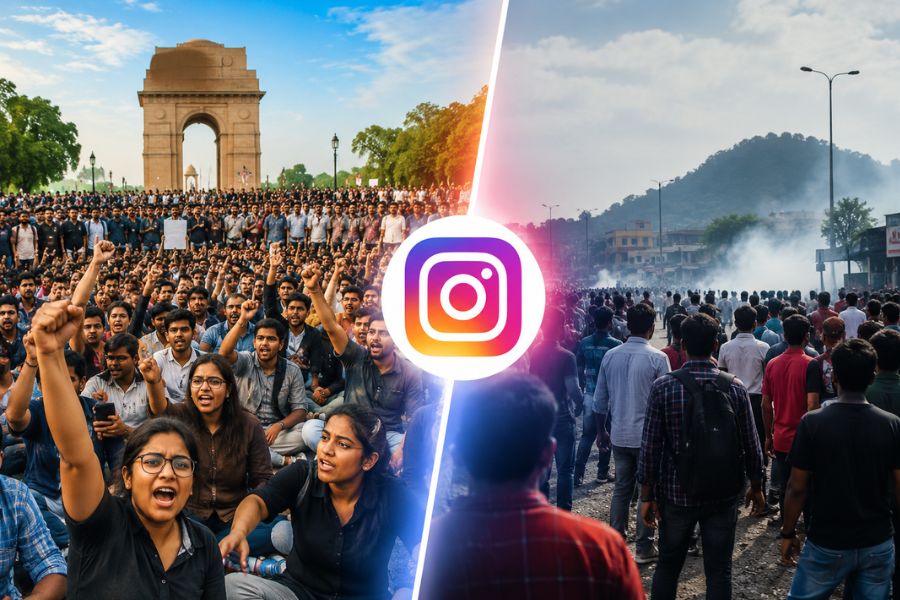
A fresh debate has erupted over the role of social media algorithms in shaping public attention after an analysis found a striking difference in the Instagram visibility of protests in Delhi and Jharkhand. Both movements involved students and young people. Both featured demonstrations and clashes with police. Yet their digital reach was dramatically different.

The analysis, conducted by a leading news media using data from DataBeings, examined the Instagram footprint of the CJP protest at Delhi’s Jantar Mantar and the student protests in Ranchi, Jharkhand.
According to the analysis, a keyword search for the Delhi CJP protest produced 5,239 Instagram posts. Those posts came from around 3,100 unique accounts and collectively reached approximately 1.8 crore people.
The posts also recorded more than 3,500 engagements per post on average, helping the Jantar Mantar protest become a major Instagram trend during the period analysed. By comparison, a similar keyword search for the Ranchi protest produced 1,062 posts from just 290 accounts.
Those posts had a combined reach of around six lakh people. The difference was therefore not simply about the number of posts. The Delhi protest also generated a substantially larger audience and significantly greater engagement.
The 5,239 Delhi posts represented only a tiny fraction of Instagram’s enormous Indian user base. Yet the concentration and engagement around the content made the protest appear ubiquitous on users’ feeds during the relevant period.
The findings have prompted a larger question: did Instagram’s recommendation system amplify one protest more heavily than the other?
There is, however, an important distinction between correlation and proof.
The data establishes a major difference in visibility. It does not, by itself, establish that Instagram deliberately suppressed the Jharkhand protests or intentionally promoted the Delhi movement.
The difference was also visible in reel performance.
Analysis found that Delhi protest reels gradually increased in visibility after clashes on July 20. Their performance eventually peaked at around three lakh views per reel on the day Dharmendra Pradhan resigned.
The Jharkhand protest followed a very different trajectory.
Its reels initially performed strongly and reached a peak of approximately 2.8 lakh views per reel. However, their visibility then fell sharply.
By the time of the police clash in Ranchi on August 10, the protest had almost disappeared from the algorithmic visibility measured by the analysis.
The analysis of the top 100 accounts also revealed a major difference.
At its peak, approximately one in every three reels posted by the top 100 accounts was related to the Jantar Mantar protest.
For Jharkhand, the corresponding share was only around 3 percent.
These figures have intensified the debate over how social media platforms determine which political or social movements receive mass exposure.
Algorithms typically consider a range of signals, including engagement, viewing time, shares, interactions, content characteristics and individual user behaviour.
Therefore, a difference in reach does not necessarily indicate political censorship or deliberate suppression.
The two protests also differed in geographical and political scope. The Jantar Mantar protest attracted national attention, while the Ranchi movement was primarily centred on students and job aspirants in Jharkhand.
That difference could influence the number of content creators participating in the conversation, the size of their audiences and the likelihood that users elsewhere in India would engage with the content.
The findings have nevertheless triggered a political response.
BJP leader Amit Malviya questioned whether Meta’s algorithm was selectively boosting some forms of political content while reducing the visibility of others.
Reacting to the analysis, Malviya argued that the difference raised legitimate questions about the role of Meta in India’s public discourse. He alleged that the Jharkhand student protest was being suppressed while the Jantar Mantar campaign was receiving greater amplification.
His comments have added a political dimension to what began as a data and technology question.
The central issue is whether social media platforms merely reflect what users find interesting or actively shape what becomes politically visible.
This distinction is increasingly important because social media visibility can influence the national impact of a protest.
A movement that repeatedly appears in users’ feeds can quickly become part of the national conversation. Another protest with similar levels of street mobilisation can remain largely confined to regional audiences if its content does not achieve comparable digital distribution.
The analysis therefore raises an important question about the power of recommendation systems. At present, however, there is no definitive evidence that Instagram deliberately muted the Jharkhand protest.
The available data demonstrates a substantial difference in the number of posts, accounts, reach and reel views between the two movements. It does not conclusively identify the cause of that difference.
Factors such as engagement, content format, creator networks, audience interest and the national versus regional nature of the protests may all have contributed.
The controversy is likely to continue unless Meta provides a detailed explanation of how the relevant content was ranked and distributed.
For now, the most defensible conclusion is that the two protests received dramatically different levels of Instagram amplification, while the question of whether that difference resulted from algorithmic bias remains unresolved.







© Copyright 2026, cloudTV. All Rights Reserved