


Sonam Wangchuk Hunger Strike


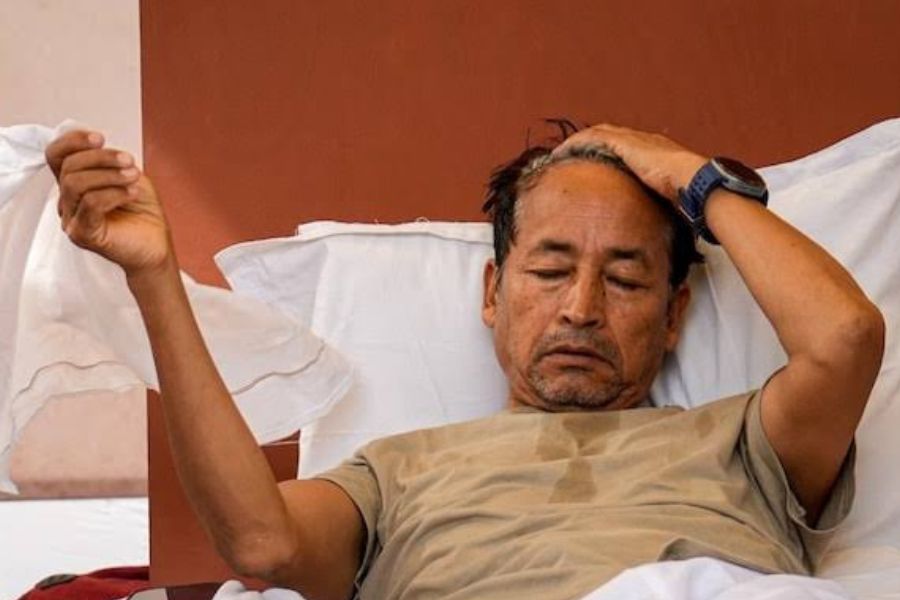
Cloud TV Desk: Environmentalist and education reform advocate Sonam Wangchuk has indicated that he is prepared to end his ongoing hunger strike—but only if one key condition is met. Wangchuk has said he will call off his fast if the proposed July 20 Parliament March is successfully held and leads to meaningful engagement with the government.

His announcement comes after nearly three weeks of fasting, during which he has continued to demand greater transparency, accountability, and reforms in India’s education and examination system.
Addressing supporters at Delhi’s Jantar Mantar, Wangchuk said the July 20 Parliament March would be a crucial stage of the movement. According to him, the campaign is not about any individual or political party but about protecting the future of millions of students across the country.
He stated that if the march proceeds peacefully and the government responds positively to the movement’s demands, he will be ready to withdraw his hunger strike.
Doctors have expressed concern over Wangchuk’s health after weeks without food. Reports suggest he has lost considerable weight, although he remains determined to continue the protest.
The Delhi High Court has also taken note of his deteriorating condition and directed authorities to ensure that appropriate medical care is provided if his health worsens.
Wangchuk’s protest has drawn support from students, educators, lawyers, activists, and several public figures across India.
The Supreme Court Bar Association has appealed to him to end his fast, acknowledging that the issues he has raised deserve serious attention and should be addressed through dialogue between the government and stakeholders.
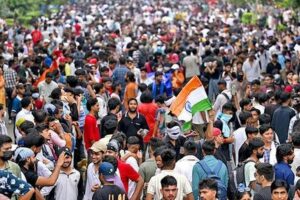
Supporters have also urged students and citizens to participate in the July 20 Parliament March, describing it as a peaceful demonstration for education reforms and institutional accountability.
The movement gained momentum following allegations of irregularities and question paper leaks in several competitive examinations. Protesters are demanding comprehensive reforms to restore public confidence in the examination system.
Wangchuk has argued that the future of millions of young Indians cannot be compromised by corruption or administrative failures. He has urged the government to introduce stronger safeguards to ensure fairness and transparency.
Political observers believe the success of the July 20 Parliament March could determine the future course of the movement.
If the government initiates meaningful dialogue and responds to the protesters’ concerns, Wangchuk is expected to end his hunger strike. However, if no significant progress is made, the agitation could continue, keeping education reforms and public accountability at the center of national debate.







© Copyright 2026, cloudTV. All Rights Reserved