


Sonam Wangchuk Father


Cloud TV Desk : Environmentalist, education reformer, and social activist Sonam Wangchuk has once again become the focus of national attention as his ongoing movement for Ladakh’s constitutional and environmental rights continues to make headlines. Alongside the renewed interest in his campaign, public attention has also turned to the legacy of his father, Sonam Wangyal, whose historic protest in 1984 remains one of the defining moments in Ladakh’s political history.

More than four decades ago, Sonam Wangyal emerged as one of Ladakh’s most influential political leaders. A former minister in the erstwhile Jammu and Kashmir government, he played a key role in advocating for the region’s development and the constitutional rights of its people.
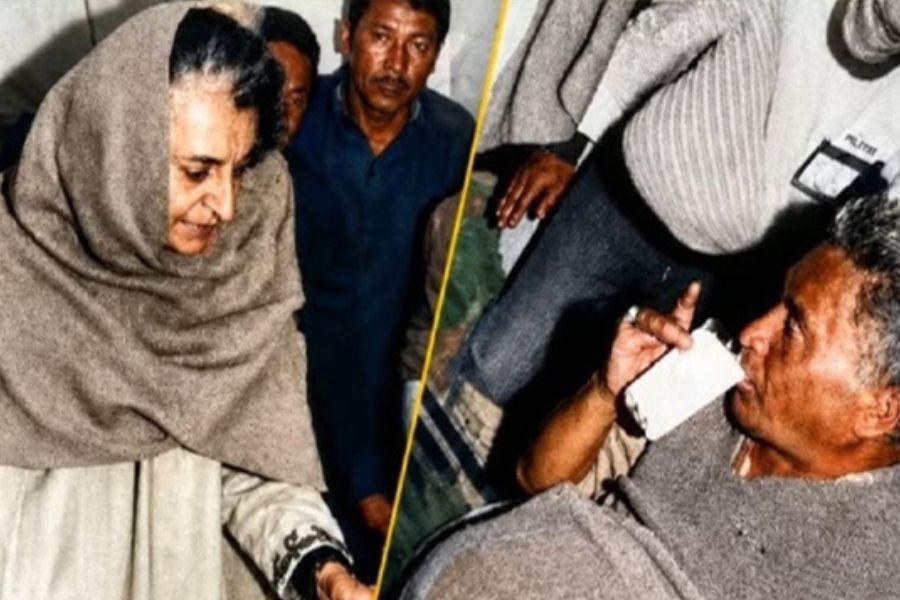
In 1984, Sonam Wangyal launched a hunger strike demanding Scheduled Tribe (ST) status for the people of Ladakh. The protest gained national attention and highlighted the long-standing demands of the region’s tribal communities.
The movement reached a crucial turning point when then Prime Minister Indira Gandhi personally travelled to Leh to meet Wangyal. After discussions and assurances from the Centre, he ended his fast. Several Ladakhi communities were later granted Scheduled Tribe status, making the movement a landmark event in the region’s political journey.
Today, Sonam Wangchuk has emerged as one of the most prominent voices advocating for Ladakh’s future. His campaign focuses on constitutional safeguards, environmental conservation, and protecting the interests of local communities.
Among his key demands are:
According to Wangchuk, these measures are essential to preserve Ladakh’s unique ecology, culture, and identity.
The similarities between father and son have become a major talking point across political and public circles. Both chose peaceful democratic protests to draw national attention to Ladakh’s concerns.
Observers note that while Sonam Wangyal fought primarily for Scheduled Tribe recognition, Sonam Wangchuk’s campaign seeks broader constitutional, environmental, and governance reforms. Nevertheless, both movements reflect a common goal—securing a stronger future for Ladakh and its people.
Sonam Wangchuk’s recent hunger strike has drawn widespread public attention. Following concerns about his health, medical monitoring was initiated under court supervision, and he was admitted to a hospital for treatment.
Even while receiving medical care, Wangchuk appealed to supporters to continue their movement peacefully and democratically.
The comparison between the 1984 protest and the current movement has reignited debate about how governments respond to public demands in strategically important regions such as Ladakh.
However, political analysts caution that the circumstances surrounding the two movements are different. The political landscape, constitutional framework, and administrative structure have changed significantly over the past four decades, making direct comparisons difficult.
The story of Sonam Wangchuk is closely linked to the legacy of his father, Sonam Wangyal. While separated by more than 40 years, both movements symbolize Ladakh’s continuing struggle for recognition, constitutional safeguards, and sustainable development. Whether history is repeating itself remains a matter of debate, but the Wangyal-Wangchuk family’s contribution to Ladakh’s political discourse is undeniable.






© Copyright 2026, cloudTV. All Rights Reserved