


Modi WFH Iran crisis


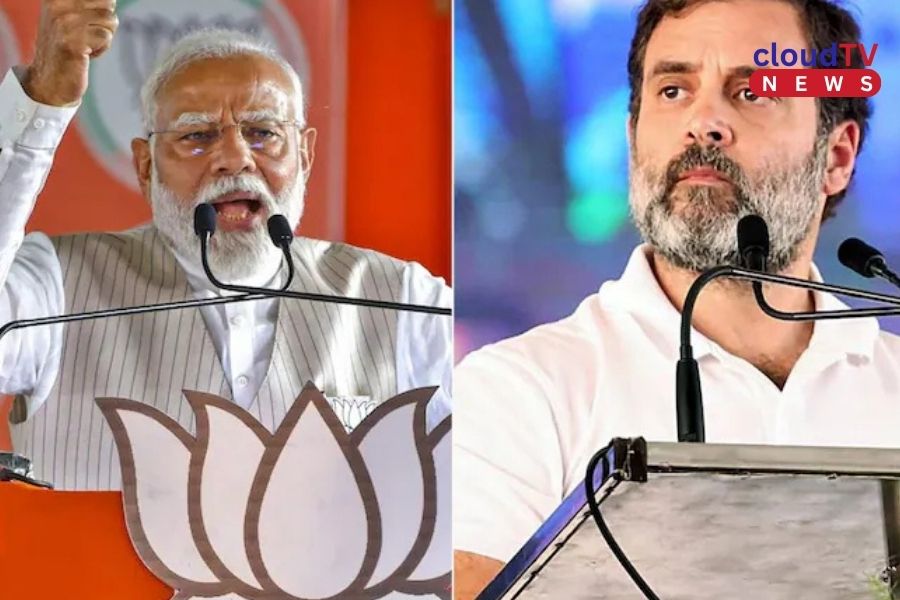
Cloud TV Desk: Prime Minister Narendra Modi has come under sharp criticism from opposition parties after urging Indians to adopt fuel-saving measures amid the escalating Middle East crisis and the ongoing Iran conflict. His appeal for Work From Home (WFH), reduced foreign travel, and restrained spending has now triggered a major political debate across the country (Modi WFH Iran crisis) .

Opposition leaders, including members of the Congress, Trinamool Congress, and Shiv Sena (UBT), accused the Centre of failing to manage the economic situation and attempting to shift the burden of the crisis onto ordinary citizens.
According to reports, Prime Minister Modi made the remarks during an event in Hyderabad, where he urged citizens to adopt “responsible lifestyle practices” in view of the ongoing international tensions affecting global fuel supply and trade routes.
He encouraged people to use public transport, metro services, and carpooling to reduce fuel consumption. The Prime Minister also urged companies and corporate offices to expand Work From Home policies, virtual meetings, and hybrid work systems in order to cut down petrol and diesel usage.
In addition, Modi advised citizens to avoid unnecessary foreign travel, destination weddings, and excessive luxury spending. He also appealed to people to reduce gold purchases temporarily to help ease pressure on India’s foreign exchange reserves.
The remarks immediately drew strong reactions from opposition leaders.
Rahul Gandhi criticised the Prime Minister, calling the appeal “proof of the government’s failure” to control the economic situation. He argued that asking people to stop buying gold, avoid foreign travel, and work from home reflects growing concern within the government over inflation and economic instability.
Leaders from the Trinamool Congress and Shiv Sena (UBT) also questioned whether the government anticipates a much larger economic crisis in the coming months. Opposition parties claimed that while the Centre is citing global instability, ordinary citizens are already struggling with rising living costs and inflation.
Experts say the Middle East conflict is particularly concerning for India because the country depends heavily on crude oil and LPG imports from Gulf nations. Rising tensions around the Strait of Hormuz have already increased fears of disruptions in global energy supply chains and further spikes in crude oil prices.
Recent developments involving Iran and the United States have intensified security concerns in the Persian Gulf region. Analysts warn that any major disruption in the Strait of Hormuz could directly impact India’s fuel imports, transportation costs, and overall inflation.
Economists believe the government’s primary objective is to reduce fuel consumption and conserve foreign exchange reserves. However, critics argue that economic challenges cannot be solved simply by asking citizens to cut spending and travel.
Meanwhile, Modi’s comments on Work From Home have also triggered discussions within India’s corporate sector. While several companies already operate under hybrid work models, questions remain over whether large-scale remote work similar to the Covid-19 era is practical in the current economic environment.
Political observers believe the worsening Middle East crisis could become a major domestic political issue if fuel prices and inflation continue to rise in the coming weeks.







© Copyright 2026, cloudTV. All Rights Reserved