


Sajjan Kumar Death


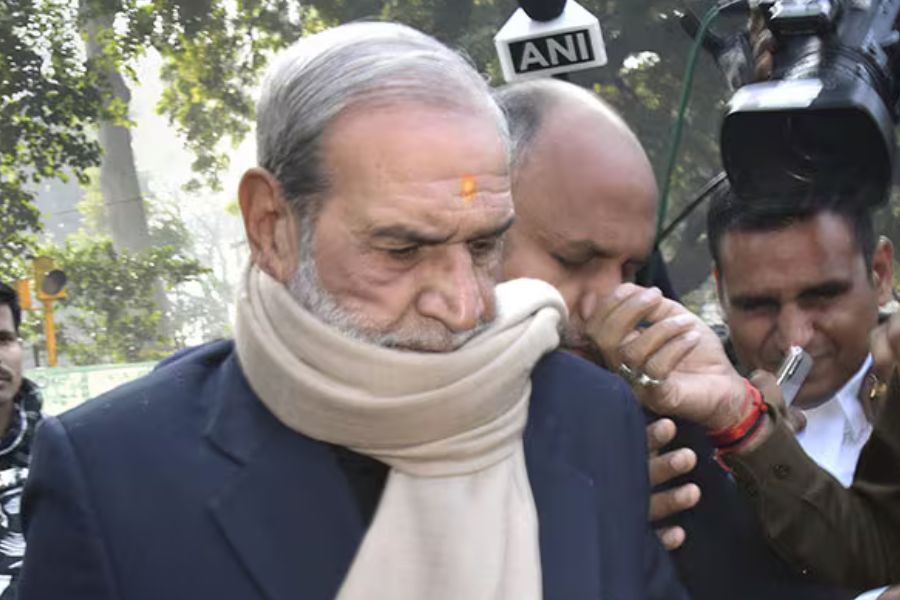
Former Congress MP Sajjan Kumar, who was serving life imprisonment in connection with the 1984 anti-Sikh riots, died on Thursday at the age of 80.

Kumar was lodged in Delhi’s Tihar Jail when his health deteriorated. He was rushed to Safdarjung Hospital at around 11 am. Doctors attempted resuscitation and provided life-support treatment, but he could not be saved. He was declared dead at around 12:30 pm.
The hospital said Kumar had a history of multiple hospital admissions. He had also been suffering from health-related complications.
His death marks the end of a long and controversial political and legal journey that continued for more than three decades.
Kumar faced several criminal cases linked to the violence that followed the assassination of former Prime Minister Indira Gandhi on October 31, 1984.
In December 2018, the Delhi High Court overturned his earlier acquittal by a trial court and convicted him in the Raj Nagar Part-I case.
The case involved the killing of five Sikh men in Palam Colony and the burning of a gurdwara during the violence. The High Court convicted Kumar of criminal conspiracy and abetment and sentenced him to imprisonment for the remainder of his natural life.
Kumar surrendered after the 2018 verdict and remained in custody from December that year.
His conviction and sentence were challenged before the Supreme Court.
Kumar received another life sentence in February 2025 in the Saraswati Vihar case. He was convicted in connection with the deaths of Jaswant Singh and his son Tarundeep Singh during the 1984 violence.
The court considered his age and health while deciding against imposing the death penalty.
However, not all cases against Kumar ended in conviction. In January 2026, a Delhi court acquitted him in two separate cases related to alleged violence in Janakpuri and Vikaspuri. The acquittals did not lead to his release because he remained imprisoned under other life sentences.
Kumar had been a prominent Congress politician in Delhi and represented the Outer Delhi constituency in the Lok Sabha three times. He resigned from the Congress after his 2018 conviction.
The 1984 anti-Sikh riots erupted following the assassination of Indira Gandhi by her Sikh bodyguards. Armed groups targeted Sikh families, homes and businesses across Delhi and other parts of India. More than 3,000 Sikhs were killed across the country, according to figures cited by NDTV.
Kumar’s death brings an end to the life of one of the most prominent political figures convicted in cases linked to the 1984 violence. However, the broader legal and political debate surrounding the riots and the decades-long pursuit of justice continues.








© Copyright 2026, cloudTV. All Rights Reserved