



Firework Song


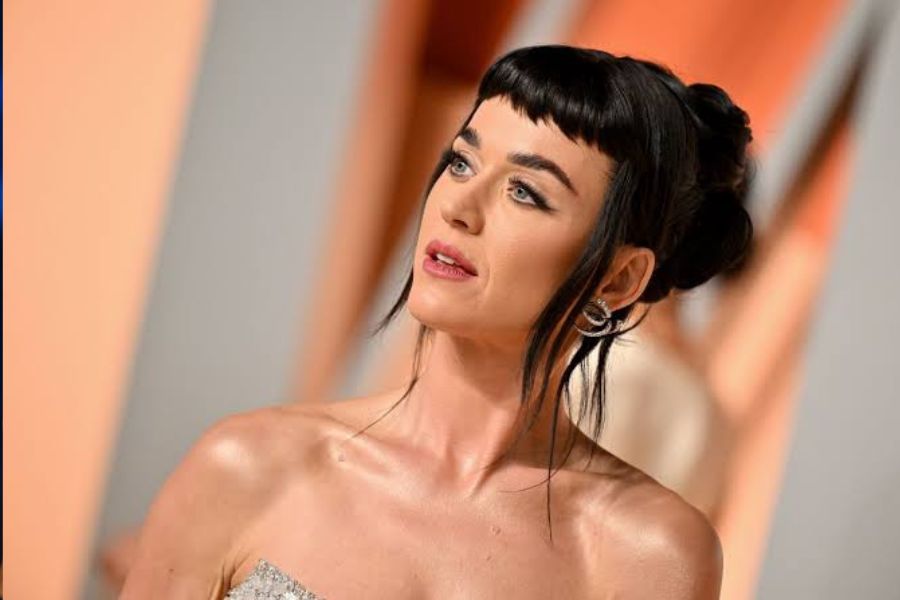
Cloud TV Desk : International pop icon Katy Perry has publicly criticised the White House team after her hit song Firework was featured in a social media post related to the ongoing US-Iran conflict. Perry said she never authorised the use of her music, reigniting debate over the use of copyrighted songs in political messaging.

The controversy erupted after the White House shared a video linked to the conflict that included the chart-topping anthem. Shortly after the post gained attention online, Perry responded by stating, “I didn’t approve this,” making it clear that she had not granted permission for the song’s use.
Katy Perry’s response quickly spread across social media, drawing reactions from fans, legal experts and political commentators. Her statement renewed discussions about whether governments, political organisations or campaigns should seek explicit permission before using commercially released music in promotional content.
Although music may sometimes be licensed for public performance or digital use, experts point out that political or promotional use can involve additional legal and ethical considerations. Artists have often argued that unauthorised political use of their work may imply endorsement of a message or policy they do not support.
The latest dispute is part of a long-running pattern involving political figures and musicians. Over the years, several internationally known artists have objected to the use of their songs at campaign rallies, promotional videos or official events without their consent.
Copyright specialists note that ownership of music rights is often shared among artists, publishers and record labels, making licensing arrangements complex. Even where a licence exists, disputes may arise if an artist believes their work has been associated with a political message without consent.
The controversy has prompted renewed calls for clearer rules governing the use of copyrighted music in government communications and political messaging.
The incident also highlights the increasingly close relationship between politics and popular culture. Music remains a powerful communication tool, but artists frequently seek to control how their work is associated with public figures and political causes.
As debate continues online, observers are watching to see whether the White House issues a formal response or clarifies the legal basis for using the song. Regardless of the outcome, the episode has once again placed intellectual property rights and artistic consent at the centre of a global political discussion.
The controversy underscores the importance of balancing creative rights with political communication, especially in the age of social media where official posts can reach millions within minutes.







© Copyright 2026, cloudTV. All Rights Reserved