


Karnataka hijab order revoked


Cloud TV Desk: In a major policy reversal, the Karnataka government has officially withdrawn the controversial 2022 uniform order that had effectively restricted the wearing of hijabs in educational institutions (Karnataka hijab order revoked) . Under the new directive, students in schools and pre-university colleges across the state will now be allowed to wear limited traditional and faith-based symbols along with prescribed uniforms.

The fresh order permits students to wear items such as hijab or headscarf, turban, sacred thread (janeu), rudraksha and shivadhara, provided these do not affect institutional discipline, student identification or campus safety.
The new directive issued by the Karnataka Department of School Education and Literacy states that uniforms prescribed by educational institutions will continue to remain mandatory. However, students can now wear approved traditional and faith-based symbols alongside the uniform. The government clarified that these symbols must not interfere with discipline, security, equality or student identification within educational campuses.
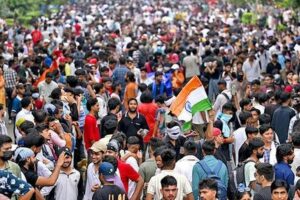
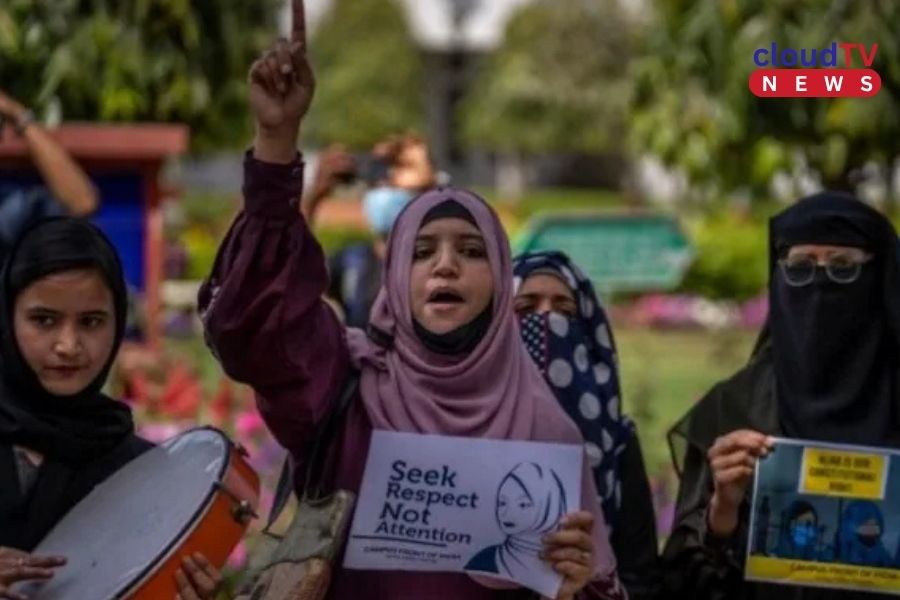
The decision effectively overturns the February 5, 2022 order issued by the then BJP government, which had enforced strict uniform rules and prohibited religious attire in institutions where uniforms were mandatory. That order had triggered massive protests and political controversy across Karnataka and other parts of India, especially over the wearing of the hijab by Muslim students.
The original controversy began in Udupi in early 2022 after a group of Muslim students wearing hijabs were denied entry into a pre-university college classroom. The issue soon spread across Karnataka, with counter-protests by Hindu students wearing saffron scarves. The dispute escalated into one of the country’s most debated political and constitutional controversies surrounding religion and education.
The Karnataka High Court later upheld the restrictions imposed under the 2022 order, ruling that wearing the hijab was not an “essential religious practice” under Islam in the context of school uniforms. The matter (Karnataka hijab order revoked) subsequently reached the Supreme Court of India, where hearings and legal debates continued over constitutional rights, religious freedom and institutional discipline.
After the Congress government came to power in Karnataka, Chief Minister Siddaramaiah had repeatedly indicated that the state was considering reversing the earlier order. Wednesday’s notification formally revoked the 2022 directive with immediate effect.
According to the revised guidelines, no student can be denied access to education or discriminated against solely for wearing approved traditional or religious symbols that do not disrupt discipline or safety. The government described the move as being aligned with constitutional values of equality, inclusion and secularism.
The decision is expected to trigger fresh political debate in the state. Opposition leaders from the BJP and several right-wing organisations have criticised the move, arguing that educational institutions should remain free from visible religious symbolism. On the other hand, minority organisations and civil rights activists have welcomed the decision, calling it a step toward protecting personal freedoms and equal access to education.
Political observers believe the Karnataka government’s move could once again place the issue of religious freedom, school uniforms and constitutional rights at the centre of national debate ahead of future elections.








© Copyright 2026, cloudTV. All Rights Reserved