



Trump Iran Ceasefire


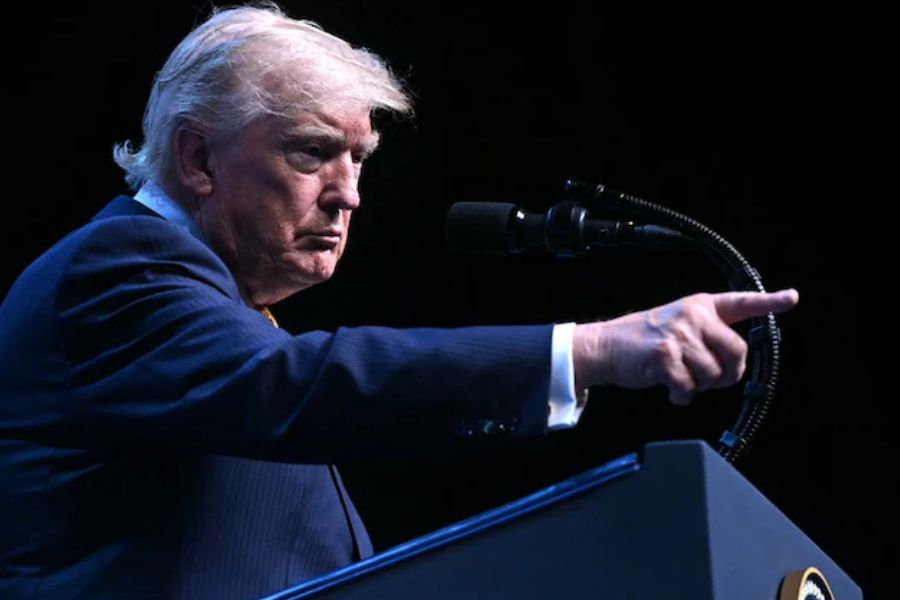
Cloud TV Desk: US President Donald Trump has declared that the ceasefire with Iran is effectively over, signaling a new phase of uncertainty in the already volatile Middle East. However, despite the strong rhetoric, Trump also confirmed that Washington remains open to diplomatic engagement with Tehran, keeping the door to negotiations open even as military tensions escalate.

Speaking to reporters on the sidelines of the NATO summit, Trump said the temporary truce had “run its course” and accused Iran of failing to uphold its commitments. While emphasizing that the United States would respond firmly to any threats against its interests, he clarified that diplomatic channels would remain active.
The latest developments come after renewed violence in and around the Strait of Hormuz, one of the world’s most strategically important shipping lanes. The United States has blamed Iran for attacks on commercial oil tankers, leading to fresh military operations targeting Iranian-linked facilities. Iran has denied responsibility while accusing Washington of escalating the conflict.
Security analysts believe the collapse of the ceasefire significantly raises the risk of further confrontation between the two countries. Although neither side has officially declared a broader military campaign, repeated retaliatory strikes have increased fears of a prolonged regional conflict.
Despite announcing the end of the truce, Trump stressed that negotiations would continue. According to the US President, American officials have been authorized to maintain diplomatic contacts with Iranian representatives in an effort to prevent further escalation.
This dual-track strategy—combining military pressure with diplomatic outreach—reflects Washington’s attempt to deter further attacks while avoiding a full-scale war. Foreign policy experts suggest that maintaining communication channels could prove critical in preventing accidental escalation.
The renewed tensions have also sparked concerns across global energy markets. The Strait of Hormuz carries a substantial share of the world’s crude oil exports, and any disruption to shipping through the corridor could trigger higher oil prices and increased inflation worldwide.
Meanwhile, the US administration has reportedly withdrawn certain sanctions waivers related to Iran’s oil and petrochemical exports, increasing economic pressure on Tehran. Analysts believe these measures are intended to push Iran back to the negotiating table while limiting its financial resources.
Regional allies, including Gulf nations and Israel, are closely monitoring the situation. International observers warn that any further military escalation could have consequences extending far beyond the Middle East, affecting global trade, energy security, and financial markets.
For now, diplomacy remains alive despite the breakdown of the ceasefire. Whether ongoing negotiations can prevent another major conflict will likely depend on the actions taken by both Washington and Tehran over the coming days.







© Copyright 2026, cloudTV. All Rights Reserved