



Houthis War


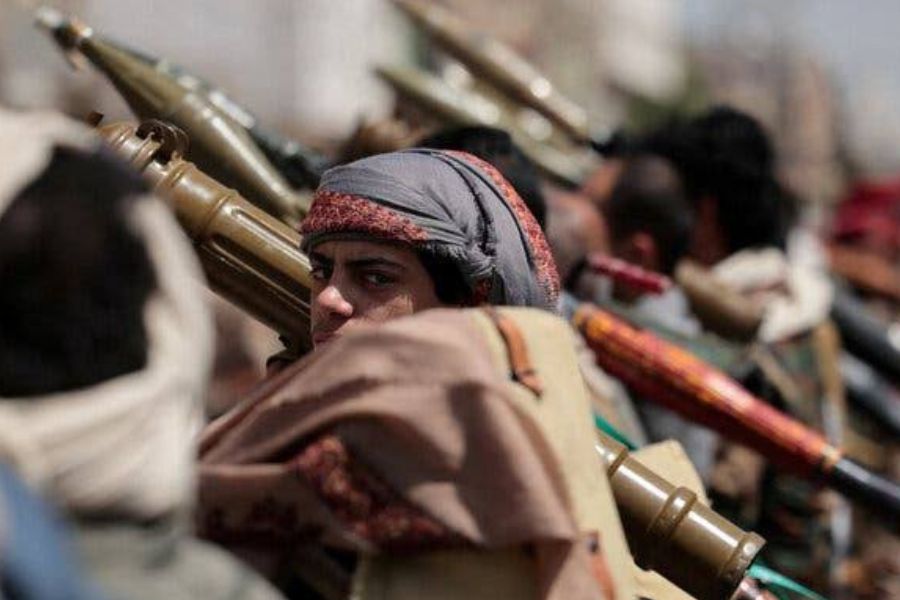
Cloud TV Desk: The role of Yemen’s Houthi movement has become increasingly significant as the Middle East conflict continues to expand. Once viewed mainly through the lens of Yemen’s civil war, the Houthis are now central to regional security discussions following attacks on Red Sea shipping and their declared support for Iran and the broader “Axis of Resistance.” Analysts say the group’s involvement reflects a mix of ideology, domestic politics and regional strategy.

The Houthis emerged from Yemen’s Zaydi Shia community and have fought the Yemeni government for years. Over time, they developed close ties with Iran while insisting they make independent military decisions. Their leadership has repeatedly declared support for Palestinians and opposition to Israel and the United States. Experts argue these ideological commitments have influenced the group’s decision to broaden its military actions beyond Yemen.
The Bab el-Mandeb Strait connects the Red Sea with the Gulf of Aden and serves as one of the world’s busiest maritime trade corridors. Houthi attacks on commercial shipping have disrupted international supply chains and forced shipping companies to reroute vessels around southern Africa. These actions have increased transport costs and heightened concerns over global energy security. Analysts believe controlling pressure points in international shipping enhances the Houthis’ regional influence.
Security experts warn that the Houthis’ growing role could widen the regional conflict involving Iran, Israel, Saudi Arabia and the United States. Renewed fighting in Yemen may also threaten fragile peace efforts that have existed since the 2022 ceasefire. Diplomatic initiatives led by the United Nations and regional mediators continue, but the possibility of broader military escalation remains a major concern.
Beyond Yemen, the Houthis have demonstrated that non-state armed groups can influence international trade, energy markets and geopolitical calculations. Their actions in the Red Sea have drawn responses from multiple countries, highlighting how local conflicts can quickly evolve into issues with global economic and strategic consequences. As tensions continue across the Middle East, the Houthis are likely to remain a key factor in regional security and diplomacy.








© Copyright 2026, cloudTV. All Rights Reserved