



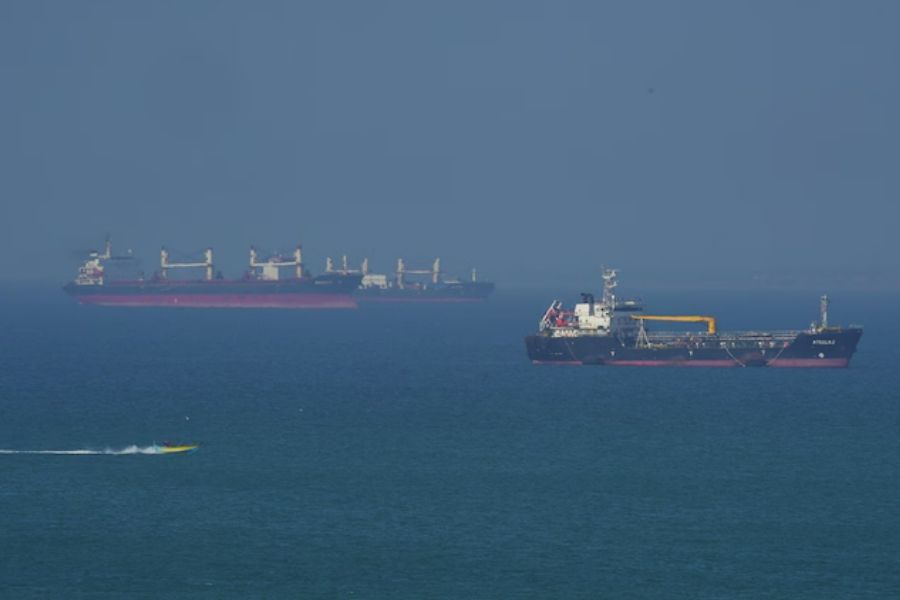
Hormuz Shipping Fees


Cloud TV Desk: A last-minute modification to the proposed peace agreement between the United States and Iran could allow Tehran and Oman to impose transit charges on vessels passing through the strategically vital Strait of Hormuz, according to multiple media reports.

The proposed provision has emerged as one of the most closely watched elements of the draft agreement ahead of the expected signing ceremony in Geneva later this week. Under the revised framework, Iran and Oman may jointly oversee certain maritime services and potentially collect fees from commercial ships using the world’s most important oil shipping route.
The Strait of Hormuz handles a significant portion of global oil and liquefied natural gas shipments. Following months of conflict and disruption, the United States and Iran recently reached a framework agreement aimed at reopening the waterway and restoring commercial shipping activity.
Reports suggest that Iran is seeking compensation for navigation, security, and maritime services provided in the region. Some estimates indicate that future transit charges could reach substantial levels for large oil tankers, although no final fee structure has been officially confirmed.
The proposal has raised concerns within the global shipping industry. Several major shipping companies and maritime associations remain cautious about resuming full operations through the strait, citing uncertainty over security arrangements, demining efforts, and the long-term durability of the peace agreement.
Despite these concerns, energy markets have reacted positively to the prospect of the Strait of Hormuz reopening. Global crude oil prices have fallen sharply amid expectations that normal shipping operations could gradually resume and ease supply disruptions.
However, several details of the agreement remain unresolved, including the future governance of the strait, the structure of maritime fees, and the timeline for broader negotiations involving Iran’s nuclear program. Analysts say these issues will be critical to the long-term success of the deal.








© Copyright 2026, cloudTV. All Rights Reserved