



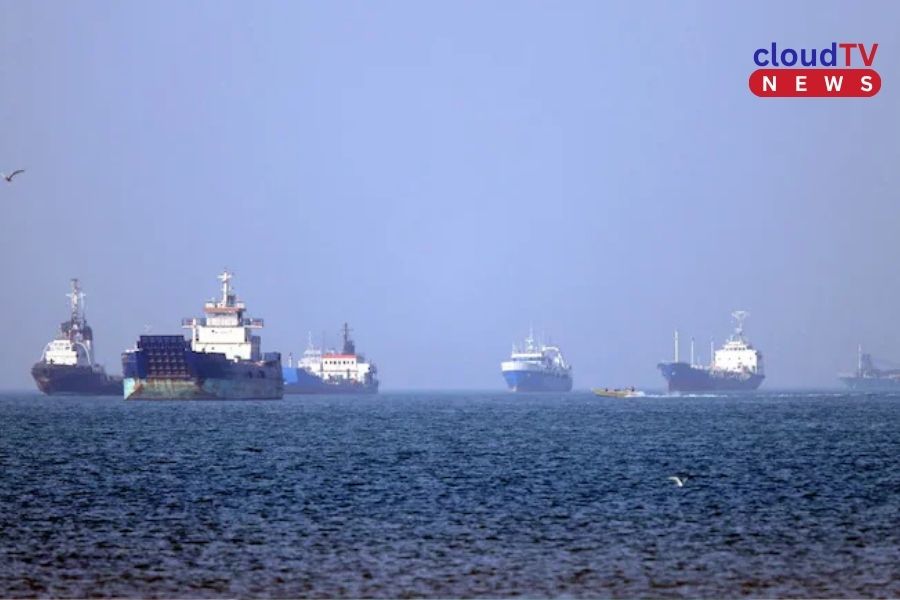
Iran Hormuz toll system


Cloud TV Desk: Amid escalating tensions in the Middle East, Iran has officially introduced a new “toll and permit” system for ships passing through the strategically vital Strait of Hormuz. The move is being seen as one of Tehran’s most significant maritime policy decisions in recent years and has already triggered concern across global energy and trade markets.

The Strait of Hormuz is one of the world’s most crucial shipping corridors, connecting the Persian Gulf to international waters. A major portion of the world’s crude oil and liquefied natural gas exports pass through this narrow sea route every day. Any disruption in the region has the potential to impact global fuel prices and international trade.
According to reports, Iran has now formalised a system under which foreign vessels will need prior approval and permits before entering the strait. Tehran has also reportedly established a new regulatory authority called the Persian Gulf Strait Authority (PGSA) to oversee and manage the process.
Under the new framework, vessels are reportedly required to apply for transit permissions through a designated email-based clearance process. Iranian authorities claim the system is aimed at strengthening regional security and ensuring tighter control over maritime activities in the Persian Gulf.
Iran has repeatedly accused the United States and its allies of increasing military influence in the region. Analysts believe the latest move is directly linked to the growing geopolitical confrontation between Tehran and Washington.
Since the outbreak of renewed tensions earlier this year, military activity around the Persian Gulf and the Strait of Hormuz has intensified significantly. Iran has already warned that vessels linked to the United States or Israel could face additional restrictions or denial of passage through the strategic route.
At the same time, Tehran appears to be offering special permit arrangements to countries maintaining active diplomatic engagement with Iran. Reports suggest that India and Pakistan have already held discussions with Iranian authorities to secure safe passage for their flagged vessels.
The development is particularly important for India, which imports a substantial amount of crude oil and LPG from Gulf nations. Any disruption in the Strait of Hormuz could directly impact India’s energy supply chain and fuel prices.
Energy experts warn that even limited restrictions in the region could have a massive impact on international markets. Nearly one-fifth of the world’s seaborne crude oil trade reportedly passes through the Strait of Hormuz. As a result, rising instability in the area could trigger sharp increases in global oil prices.
Recent reports have also claimed that an India-linked LPG carrier successfully crossed the strait under heightened security arrangements, highlighting growing concerns among international shipping operators.
Meanwhile, Donald Trump has reportedly rejected Iran’s latest peace proposal and issued a strong warning to Tehran. In response, Iranian officials stated that foreign warships would no longer be allowed unrestricted access in the region.
Geopolitical analysts believe Iran’s latest decision is not just a regional security measure but also a strategic signal to global powers. The policy could reshape maritime operations in the Gulf and increase pressure on countries dependent on Middle Eastern energy exports.
As tensions continue to rise, governments and energy markets worldwide are closely monitoring the situation. Any major disruption or blockade in the Strait of Hormuz could trigger a broader economic and geopolitical crisis with global consequences.







© Copyright 2026, cloudTV. All Rights Reserved