


India Rejects Indus Waters Treaty Ruling


Cloud TV Desk: India has strongly rejected the recent ruling by the Hague-based Court of Arbitration regarding the Indus Waters Treaty, calling the decision “null and void” and without any legal (India Rejects Indus Waters Treaty Ruling) authority.

In an official statement, Indian Ministry of External Affairs spokesperson Randhir Jaiswal said that the so-called Court of Arbitration had issued a supplemental ruling on May 15 concerning disputes linked to the treaty. However, India does not recognize the legitimacy of the arbitration panel and therefore rejects its findings entirely.
According to New Delhi, the arbitration court was “illegally constituted” and any decision made by it holds no legal standing for India.
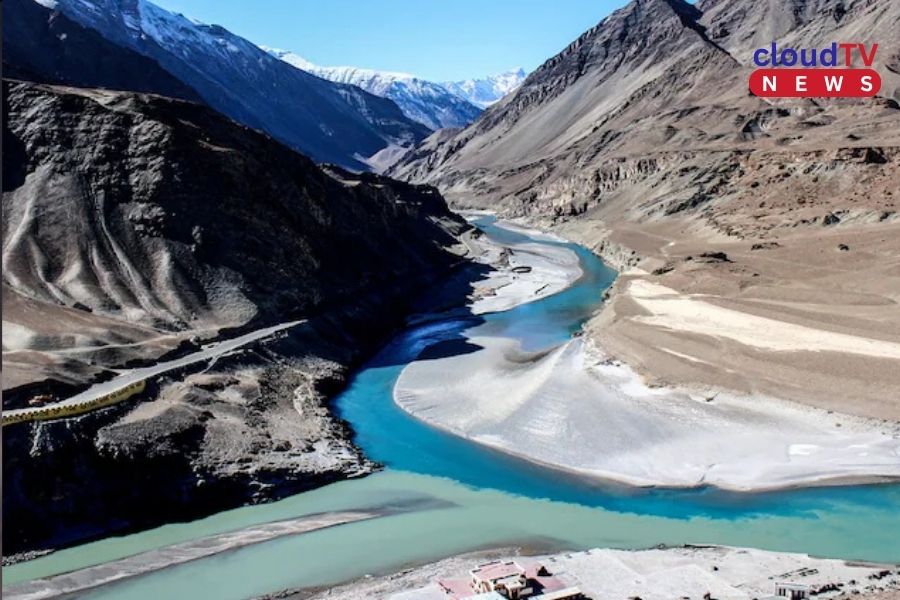
The dispute centers around India’s hydroelectric projects in Jammu and Kashmir, particularly the Kishanganga and Ratle projects. Pakistan has repeatedly alleged that these projects violate the terms of the Indus Waters Treaty and had approached international arbitration mechanisms over the issue.
India, however, has maintained from the beginning that such disputes should first be addressed through the neutral expert mechanism outlined in the treaty itself. Indian officials argue that initiating a separate arbitration process while the neutral expert proceedings were ongoing violated the treaty framework.
The Indus Waters Treaty, signed in 1960 with mediation from the World Bank, has long been regarded as one of the most successful water-sharing agreements in the world. The treaty governs the distribution and use of water from the Indus river system between India and Pakistan.
In recent years, however, growing political tensions and security concerns between the two neighboring countries have complicated the situation further. India has already announced that it is placing the treaty “in abeyance,” intensifying diplomatic friction over water resources in the region.
Experts believe India’s rejection of the Hague ruling could further escalate tensions between the two countries and reignite debate over international mediation, water security, and cross-border river management in South Asia.






© Copyright 2026, cloudTV. All Rights Reserved