


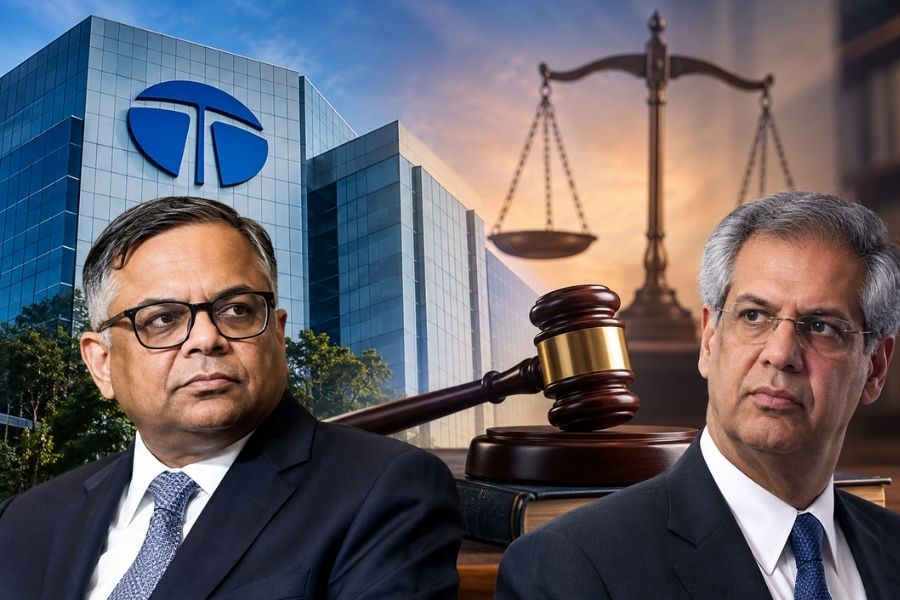
Tata Trusts vs Tata Sons dispute


The dispute within the Tata Group has now moved into the legal arena. But the consequences of the conflict extend beyond the eventual court ruling.

Regardless of which side ultimately prevails in court, the dispute has already raised questions about institutional trust and the Tata brand’s long-standing public image.
At the centre of the dispute is the reappointment of Tata Sons Chairman N Chandrasekaran.
The Tata Trusts own about 66% of Tata Sons. The Trusts have argued that the September 17 decision to give Chandrasekaran another five-year term did not satisfy a requirement contained in Tata Sons’ Articles of Association.
According to the Trusts’ position, a majority of the directors nominated by the Trusts had to support the resolution. Noel Tata voted against the reappointment, while Venu Srinivasan voted in favour.
The Trusts have therefore challenged the validity of the reappointment. Tata Sons, however, has defended the board’s decision and offered a different interpretation of the governance framework.
The events leading up to the board decision are central to the dispute.
On August 12, Chandrasekaran informed the board that he would not seek another term after his existing tenure ended in February 2027.
The Tata Trusts accepted that decision and sought the formation of a selection committee under the Articles of Association to identify his successor.
Around five weeks later, however, the Tata Sons board reappointed Chandrasekaran for another five-year term.
Tata Sons has said that its Nomination and Remuneration Committee unanimously asked Chandrasekaran to reconsider his decision. He subsequently agreed to continue.
The strength of the Tata brand has historically rested not only on its businesses and assets but also on a public perception of institutional values and trust.
Senior advocate Abhishek Manu Singhvi, representing the Tata Trusts, has argued that allowing a board to override protections contained in the company’s Articles could have implications for corporate governance across India.
Harish Salve, advising Tata Sons and Chandrasekaran, has taken the position that Tata Sons is a large institution and should not be paralysed by disagreements among a small number of trustees.
These competing interpretations form the core of the current dispute.
The Opinion article argues that courts can determine what the Articles of Association legally permit. But a court ruling cannot by itself determine what the Tata name means to employees, investors and the wider public.
That is why the dispute has expanded beyond the question of a chairman’s tenure. It has also prompted discussion about corporate governance, shareholder rights, institutional identity and public trust.
The article is an opinion and analysis piece, not a judicial determination. The legal validity of the competing positions remains a matter for the relevant courts to decide.






© Copyright 2026, cloudTV. All Rights Reserved