


Iran 7 conditions Trump


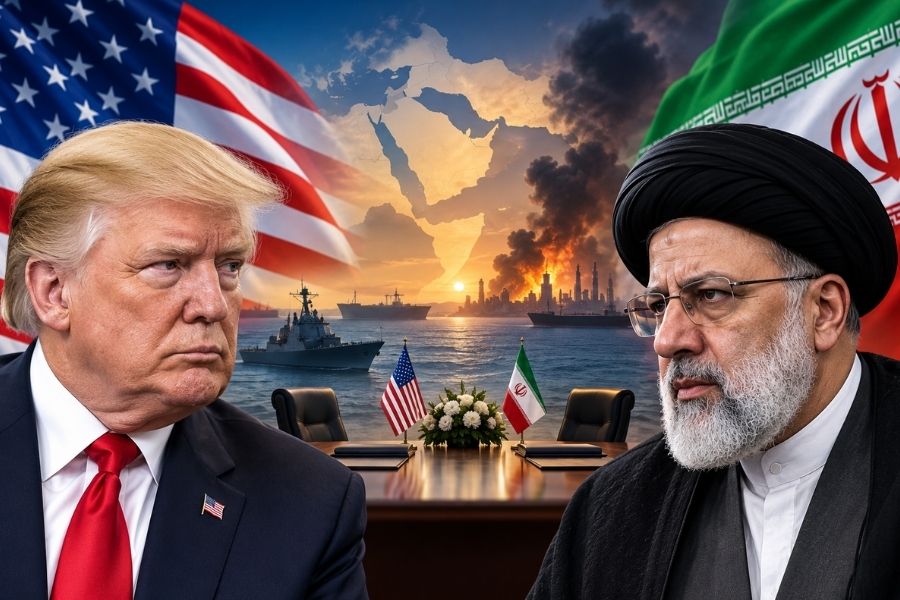
Diplomatic activity has intensified around the Iran war, with Tehran laying out seven conditions (Iran seven conditions Trump) for resuming negotiations with Washington.

Qatar and Pakistan have reportedly conveyed to Tehran that Washington is ready to negotiate. Iran has said it is waiting for US President Donald Trump’s response to its conditions.
Iran has not publicly detailed all seven conditions. However, Supreme National Security Council chief Mohsen Rezaei has identified several key demands.
They include ending the war on all fronts, releasing Iranian assets that have been seized or frozen, and ending the US naval blockade of Iranian ports.
Tehran has also called for an end to the fighting involving Yemen and Saudi Arabia.
According to the Iranian position reported by NDTV, Tehran could return to negotiations if Washington implements the substance of an earlier memorandum, including ending hostilities and allowing Iran to resume oil exports.
Iran is also demanding credible and tangible guarantees that it will not be attacked again before returning to the agreement.
Mohsen Rezaei said Qatar has conveyed Iran’s conditions to Washington and that Tehran is waiting for Trump’s response. Pakistan is also involved in the mediation effort.
Rezaei said Iran is pursuing a new strategy aimed at bringing the war to an end as quickly as possible.
At the same time, he warned that Iran is prepared to respond militarily if the United States launches another attack.
Trump has previously indicated that Iran wants a deal and has expressed hope that the conflict could eventually end. However, major differences remain between Washington and Tehran.
The diplomatic developments come as fighting elsewhere in the region continues.
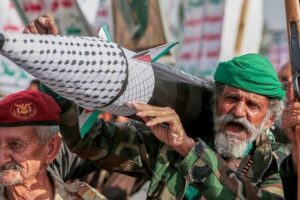
Yemen’s Iran-backed Houthi group has claimed missile and drone attacks on Saudi Arabia’s capital, Riyadh. Images showed flames and heavy smoke in the area, while the Saudi-led coalition said it intercepted a missile aimed at the capital.
The UN Security Council has condemned continued Houthi attacks on Saudi Arabia, including attacks affecting civilian and energy infrastructure.
The wider conflict is also affecting energy and shipping routes. The Strait of Hormuz has faced severe disruption, while Houthi control and activity around the Bab el-Mandeb Strait have created additional concerns for international shipping and Gulf energy exports.
Iran and the United States had reached a 14-point agreement in June that called for an immediate cessation of military operations and further negotiations toward a final settlement.
Trump declared the agreement over in July, after which Tehran suspended the memorandum, accusing Washington of failing to meet its commitments.
The latest exchange of conditions and signals about negotiations therefore marks another attempt to reopen diplomacy. However, no new ceasefire or final agreement has been confirmed.









© Copyright 2026, cloudTV. All Rights Reserved